
Valentine's Day Opal Pendants: How to Choose a Romantic Gift
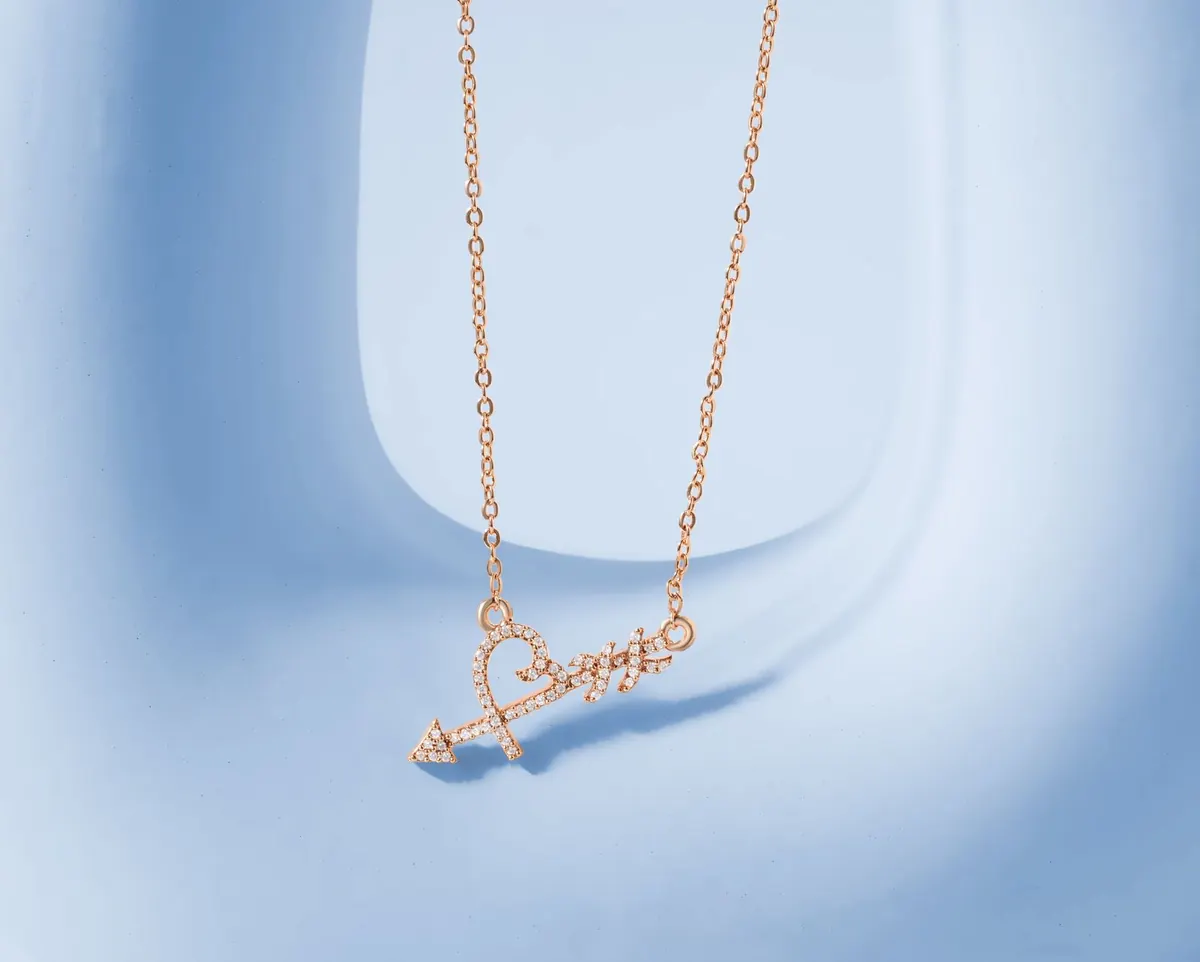
An opal is not a shy stone. Tilt one under a lamp and it answers with green, then rose, then a flash of electric blue that vanishes the moment you move. That changeability is the whole appeal, and it is why an opal pendant works so well as a Valentine's gift. A diamond does exactly what you expect. An opal keeps surprising the person wearing it, which is not a bad description of love.
The difficulty is choosing one. Opal varies more than almost any other gemstone, so two pendants of a similar size can look completely different and sit in very different price brackets. Work through the decision in this order and it becomes far less daunting.
Begin With the Chain Length, Not the Stone
The pendant has to sit on a chain that suits her necklines, her collars and everything else she wears. Get that wrong and even a beautiful stone ends up in a drawer.
- 40–45cm (collar or choker): sits at the base of the throat. Striking with a V-neck or an open shirt, but it competes with high necklines and scarves.
- 45–50cm (princess): the safest, most versatile length. It lands just below the collarbone, works with most tops, and is as at home at a desk as at dinner.
- 50–60cm (matinee): falls onto the chest. Flattering over knitwear, and it gives a larger opal room to breathe.
- 70cm and over (opera or rope): dramatic and lovely for layering, but best for someone who already wears long necklaces.
One reliable trick: if she has a necklace she wears constantly, measure it flat, clasp to clasp. That number tells you more than any sizing guide. If you are buying a long chain, check that the pendant's bail will slide over the clasp — small detail, genuine irritation if it doesn't.
Choose a Setting That Fits Her Life
Opal is a relatively soft stone, so the setting does real work. A bezel — a smooth rim of metal wrapping the edge — protects it best and sits flush against skin and clothing, which makes it the sensible choice for everyday wear. A claw or prong setting shows more of the stone and lets more light reach it, and an opal seen from the side can be beautiful, but the edges are exposed to knocks.
Drop and halo styles add presence: a drop elongates the neck, while a halo of tiny diamonds or white sapphires brightens the surrounding metal and makes the play-of-colour read more strongly in low light. If she is hard on her jewellery, or works with her hands, favour a simple bezel with a slightly domed profile over an elaborate surround.
Metal matters too. White gold and silver keep the look cool and modern; yellow gold warms it and suits greens and golds; rose gold flatters the pink and peach flashes that many opals throw. Blackened silver or black rhodium can make the colours snap, though it is a bolder taste. As a rule, 9ct gold is harder wearing for daily use and 18ct gives a richer colour but marks more easily.
Decide What Kind of Opal You Are Buying
Solid opal is natural opal throughout, cut and polished as one piece. Australian material is the benchmark: black opal from Lightning Ridge, boulder opal from Queensland with its ironstone backing, and the milky white opal long associated with Coober Pedy. Ethiopian opal from the Welo region often shows brilliant colour at a friendlier price, but much of it is more porous and can absorb liquids, so it needs more careful handling.
Doublets and triplets are assembled stones: a thin slice of natural opal bonded to a backing, sometimes with a clear quartz cap on top. They can look lovely and cost far less, and there is nothing dishonest about them — as long as the seller says so. Lab-created opal has the same chemistry as natural opal but is made in a workshop, with consistent colour and a much lower price.
Whichever you choose, ask plainly what the stone is and have it written on the receipt or the product page. "Opal" on its own is not enough information.
Where the Budget Actually Goes
Opal value comes down to body tone, brightness, pattern, size and cut. Black opal with a dark background and vivid colour is the rarest and the most expensive; crystal and white opal give you more size for your money. Pattern matters more than most buyers expect — a defined harlequin or broad flash across a small stone is more desirable than a large, pale, diffuse one.
Two practical rules. First, buy the flash you love rather than the biggest stone you can afford; a small, alive opal beats a large, sleepy one every time. Second, ask to see the piece in daylight, not just under the shop's spotlights. Opal changes character with the light, and daylight is the honest test. Buying online makes that harder, so choose a seller with clear photographs taken in natural light and a straightforward returns policy.
Make It Mean Something
Opal is the birthstone for October, which makes a pendant an easy choice for an October birthday — and it is the traditional gift for a fourteenth wedding anniversary, which gives the piece a second life. Beyond those markers, you can build meaning yourself. An opal with predominantly pink and red flashes suits the day without being literal; green and blue flashes may echo a colour she wears often. A short engraving on the bail or the back of the pendant, or a handwritten note explaining why you picked that particular stone, turns a nice object into a keepsake.
Wearing and Caring for an Opal Pendant
Opal sits at around 5.5 to 6.5 on the Mohs hardness scale, so it scratches more easily than sapphire or diamond and dislikes sharp knocks. Store it in its own pouch or compartment rather than loose in a jewellery box, and put it on after perfume, hairspray and moisturiser have dried. Take it off for gardening, the gym and DIY. Wipe it with a soft, slightly damp cloth rather than soaking it, and avoid ultrasonic cleaners unless a jeweller has confirmed the stone is suitable. Prolonged heat and very dry conditions are not kind to opal, so keep it somewhere sensible rather than on a sunny windowsill. If a stone ever looks cloudy or loose in its setting, take it to a qualified jeweller rather than trying to fix it yourself.
Before You Buy: A Short Checklist
- Measure a necklace she already wears and match that length.
- Ask what the opal is — solid, doublet, triplet or lab-created — and get it in writing.
- Check the metal and its hallmark. In the UK, most precious metal pieces above small exemption weights must be assayed and hallmarked.
- View the stone in daylight if you possibly can.
- Choose a setting that matches how active she is, not just how it photographs.
- Order early enough to allow for engraving and delivery before 14 February, and read the returns policy first.
Buy the pendant for the person, not for the calendar. A well-chosen opal in a setting she can actually wear, at a length that suits her clothes, will be pulled out of the box far more often than something bought purely because it was red and romantic. Get those three things right and the fourteenth of February takes care of itself.
Photo: The Glorious Studio / Pexels